
Exchange Rates: 10 Tips For Local And Online Rates
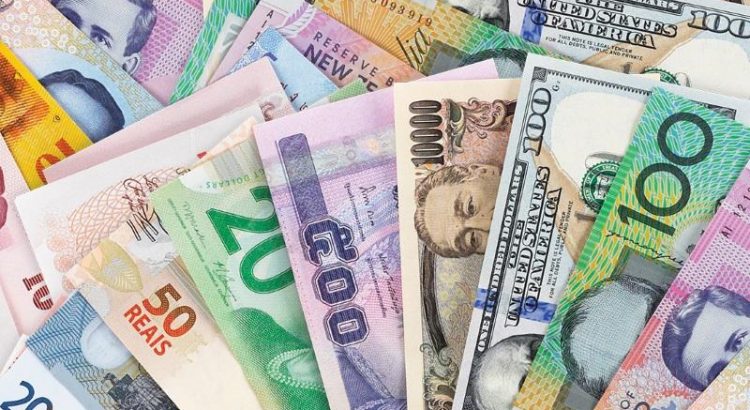
For anyone who is involved in investment, travel or business, it's important to understand the distinctions between online and local rates. Local rates are those that are offered by ATMs, banks or other physical currency exchange establishments that are located in your city or your destination. Online rates are offered by digital platforms or financial institutions to convert currencies. These rates can vary significantly, impacting how much you pay to exchange money and the return you earn on your investments. When you know the differences between the rates of exchange in both online and local markets that you can to make more informed financial choices. Here are the top ten essential tips to successfully navigate the local and online rates.
1. Learn the differences in rates
Local rates of exchange may differ from rates online, due to factors including the cost of overhead and market conditions. Local exchange services could have more fees and lower rates due to operational expenses, whereas online platforms often provide better rates due to lower overhead. Understanding these differences can assist you in selecting the right currency exchange service that meets your needs.
2. Check Rates Prior to Making the decision to exchange currency.
Check the rates of online and local currency exchanges before you make an informed decision. You can find rates of currencies in real-time using reputable websites and currency converters. Compare the exchange rate online against the rates at local currency booths and banks if you are planning to travel internationally. You can save money by comparing exchange rates.
3. Utilize Online Currency Exchange Platforms
Online currency exchange platforms like Wise (formerly TransferWise), and Revolut usually provide lower rates and charges as compared to kiosks and banks in the local area. They usually provide live exchange rates and the ability to disclose the fees. By using these platforms, you can be sure that you get the most competitive rate when you convert currencies.
4. Be aware of Dynamic Currency Conversion (DCC).
When you make purchases outside of the country You may be offered the option to pay with the currency you use at home through Dynamic Currency Conversion. While this is a convenient option, it can come with poor exchange rates as well as additional charges. Pay in local currency whenever you can to avoid cost-intensive fees of DCC.
5. Think about the convenience vs. Cost
When choosing between online and local rates, consider the cost versus the convenience. Local exchanges can provide instant access to cash that could be helpful when you travel. Exchanges online may have better rates, but they require a bank account to be set up or you may need to wait for funds. You should consider your needs in relation to your business travel plans and other transactions prior to deciding which one is the best choice for you.
6. Monitor Exchange Rate Trends
– By monitoring trends in exchange rates it is possible to make more informed decisions about when and how to exchange your currency. Online platforms typically offer historical data as well as analysis tools that allow you to observe fluctuations in exchange rates. Understanding market trends will help you better time your currency conversions whether online or locally, in order to take advantage advantageous rates.
7. Calculate ATM fees and withdrawal limitations in your area.
Be aware that there could be charges for local withdrawals when you make a withdrawal from an ATM while travelling. Different banks can charge different fees on international transactions. ATMs typically determine their own limits for withdrawals. If you look up ATMs in your area in advance of your trip and you can to find the ones with low fees and higher rates.
8. Look for No-Fee Currency Exchange Services
Some platforms on the internet offer free exchange of currency, especially for those who have accounts. This can prove to be beneficial for people who frequently travel or for businesses that deal with currency exchange on a regular base. You will benefit from lower rates, lower fees and more savings when you open an account.
9. Consult with Financial Experts for Large Transactions
If you are dealing with large amounts of money or exchanges that are complex, getting advice from experts in finance can be beneficial. Currency experts are well-versed in the most efficient methods to manage the local rate and rates online. This is of particular importance for businesses involved in international trade, as well as those who want to minimize their exposure to currency.
10. Plan for your currency requirements in advance
Planning ahead can help you reduce time and costs regardless of whether you're traveling for business or on vacation. It is important to determine how much cash you need to pay for your travel expenses. After that, you'll be able to choose which method of exchange is the most effective. If you find that rates in your area are not favorable think about using online platforms to exchange your currency before you travel, ensuring that you can access more favorable rates, and lessening the possibility of losing money through unfavorable exchanges.
Follow these tips to get through the maze of currency exchange, whether you are traveling, doing business, or monitoring your investments. Understanding the pros and cons of each one will allow you to make the right financial choices that are in line with your goals which will save you money. Check out the top rated currency converter for website info including swiss franc to usd, us dollar to php, dollar to php peso, dinar guru, usd to euro exchange rate, japanese yen to usd, thb to usd, usd jpy, currency converter, us to baht and more.
Top 10 Tips On Rates And Exchange Rates
These limits are crucial to financial transactions. They can be used for corporate transactions, or even investment management. They are based on the amount of money that can easily be transacted in the time frame. They are typically established by banks, payment platforms or banks. Understanding transaction limits will aid you in maximizing your financial strategy and prevent unnecessary fees or delays. Travelers may notice limitations on transactions impact their cash withdrawals or purchases, as well as other activities abroad. Business owners can utilize them to influence the flow of cash and processing payments. Investors should be aware of the transaction limits when purchasing and selling assets. The top 10 tips on how you can effectively manage transaction limits for your financial transactions are listed below.
1. Know Your Bank’s Transaction Limits
Generally, every bank or financial institution has a limit on transactions, including transfers, purchases and withdrawals. You should familiarize yourselves with the limits prior to travelling or engaging in major transactions. This information will assist you in managing your finances in a way that is efficient and prevent problems when trying to access funds or make purchases from abroad. Contact your bank or visit their website to learn about the limit of your account.
2. Make sure you have a plan for cash withdrawals prior to you leave for your trip
When you travel, it's essential to organize your cash withdraws to ensure you stay within the limitations of transactions for your bank. When you know how much cash you'll need for your trip, it's easy to calculate your daily withdrawal limit. Avoid running out of money by making multiple large withdrawals. In addition, you should be prepared with a backup option in case you are unable to withdraw your limit.
3. Utilize Multiple Payment Methods
– Relying on a single payment method is risky when transaction limits are brought into the picture. Utilize a mix of cash or credit cards, along with mobile payment applications to be able to quickly access your funds. This can help you to avoid exceeding the transaction limits of one account. This also gives you flexibility when managing your finances on travel for business or when you are traveling.
4. Check your Transaction Activity on a regular basis
Monitor your transaction activity regularly to stay on top of your expenditure. This will also ensure that you don't overspend your budget. Many banks have mobile apps that permit you to monitor your transactions in real-time. This provides you with overview of your account balance and any fees that might have been incurred. You can better manage your finances by monitoring for any activity in your account.
5. Learn More About Limits on International Transactions
If you are planning to withdraw money from abroad and make purchases, be sure to inquire at your bank about what their restrictions apply to international transactions. Certain banks have more stringent limitations on foreign transactions. This could affect your ability to make purchases or access funds from abroad. Understanding these restrictions can assist you in planning and prevent any interruptions to your travel plans.
6. Consider Setting Up Alerts for transactions
Many banks and financial institutions offer alert systems to notify you when your limit for transactions is nearing or when a transaction has occurred. These alerts can help you to manage your finances and avoid exceeding the limit. This feature could be especially useful for travellers, who tend to overlook the expenses they incur while on vacation.
7. Keep an eye on daily and monthly limits
Limits on transactions may be determined by time frames such as daily limits or monthly limits. If your bank permits you to withdraw certain amounts daily, it might limit monthly withdrawals to lower transactions. Understanding these timespans can help organize your transactions and ensure you can access funds at the time you need them, without going over your limit.
8. Contact Your Bank about Temporary Limits Then, you can increase the amount.
You might want to ask your bank to grant a brief increase in your limit if you are anticipating bigger transactions. Most banks will allow requests for larger limits when you have an explanation that is valid, like a planned trip or a major purchase. To help facilitate the process make contact with your bank ahead of time to discuss your request and provide any necessary documentation.
Check the payment platform limits
If you are using payment platforms like PayPal, Venmo, or other ones, remember that these services also impose limitations on transactions. Based on your account verification status, and the user's history the platforms may have different maximum transaction limits. Check these limits prior to making transactions in order to avoid delays or disruptions.
10. Learn about the investment transaction limits
– for investors, transaction limitations can be in place when selling or buying assets using brokerage accounts. These restrictions can limit the speed of your trades, especially in times of market volatility. Be aware of the transaction limits that your broker has set and utilize limit orders to manage your investments.
You can better manage your transactions by managing your transactions effectively. This will enable you to more efficiently navigate the maze of travelling, conducting business, or monitoring your investments. By being aware of the bank's policies, utilizing different payment options, planning your cash withdrawals and monitoring your transactions, you'll be able to make better financial choices. Ultimately, this knowledge will help you avoid unnecessary fees or disruptions and enhance your overall financial plan. Have a look at the recommended CZK to EUR for more advice including currency exchange near me, colombian peso to dollar, baht to usd, thb to usd, usd to jpy, exchange rate, usd to british pound, pound to dollar, usd to aud, pound sterling to usd and more.
